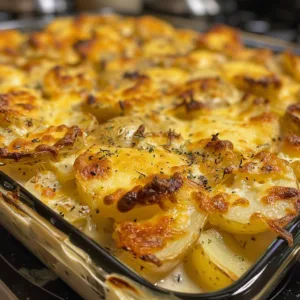
Za’atar flatbread with olive oil is a simple Middle Eastern breakfast staple. This savory dish combines rustic flatbread with a classic herb blend and rich olive oil. It represents a cornerstone of Levantine morning cuisine and is enjoyed across the region.
| Prep Time | Cook Time | Total Time | Servings | Difficulty | Cuisine |
|---|---|---|---|---|---|
| 10 minutes | 12 minutes | 22 minutes | 4 | Easy | Middle Eastern |
Why This Recipe Works
This recipe works because it respects the authentic balance of textures and flavors. The flatbread provides a warm and slightly chewy base for the za’atar seasoning. Using high-quality olive oil ensures a rich and fruity foundation that carries the herbs.
The direct application of olive oil creates a perfect medium for the za’atar to adhere. This method allows the warm bread to absorb the oil and release the aroma of the spices. You achieve a finished dish that is both fragrant and satisfying with minimal effort.
Ingredients
| Ingredient | Quantity | Notes with alternatives |
|---|---|---|
| Fresh flatbread or pita | 4 pieces | Use store-bought or homemade. Day-old bread works well. |
| Za’atar spice blend | 4 tablespoons | A mix of thyme, oregano, sumac, sesame seeds, and salt. |
| Extra virgin olive oil | 1/4 cup | High-quality oil is essential for authentic flavor. |
| Optional: Greek yogurt or labneh | For serving | Adds a creamy, tangy contrast. |
Step-by-Step Instructions
- Gather all ingredients and place them on your workspace.
- If using pita bread, gently separate any pockets to create two thin layers.
- Measure the za’atar and olive oil into separate small bowls.
- Preheat your oven to 350°F (175°C) or use a toaster oven.
- Place the flatbread pieces directly on the oven rack for 5-7 minutes.
- Warm until the bread is soft and slightly crisp at the edges.
- Remove the warm bread and place it on a serving plate.
- Drizzle each piece generously with the extra virgin olive oil.
- Sprinkle a tablespoon of za’atar evenly over each oiled bread.
- Serve immediately while the bread is still warm and fragrant.
Prepare Your Ingredients
Warm the Bread
Assemble the Flatbread
Chef Tips for Perfect Results
- Warm your bread just before serving. This ensures optimal oil absorption.
- Use a spoon to drizzle olive oil. This gives you better control over the amount.
- Gently toast sesame seeds separately for a nuttier za’atar flavor profile.
- Experiment with thicker flatbreads like manakish for a more substantial meal.
- Store your za’atar blend in a cool dark place to preserve its potency.
- Add a sprinkle of sea salt flakes after the za’atar for extra texture.
Common Mistakes to Avoid
Using low-grade olive oil is a common mistake. This creates a bland base. Always select a robust extra virgin olive oil with a clear fruity aroma. Overheating the bread makes it too crisp and brittle. This prevents proper oil absorption. Warm it gently until just soft and pliable.
Applying za’atar before the olive oil leads to poor adherence. The herbs will fall off. Always drizzle the oil first to create a sticky surface. Storing za’atar in a warm or humid place degrades its flavor. Keep it sealed in a cool pantry away from light.
Variations and Substitutions
| Ingredient | Substitution | Impact on Flavor |
|---|---|---|
| Za’atar spice blend | Dried thyme + sesame seeds + sumac | More herbal and tart, less complex. |
| Extra virgin olive oil | Avocado oil or a mild vegetable oil | Less fruity, more neutral background. |
| Fresh flatbread | Bagels, English muffins, or naan | Changes texture, maintains core concept. |
| Plain yogurt (for serving) | Thick labneh or sour cream | Alters creaminess and tang level. |
Serving Suggestions and Pairings
Serve za’atar flatbread with a side of labneh and fresh cucumber slices. Pair it with a simple tomato and onion salad for a fuller breakfast. This dish complements scrambled eggs or fried halloumi cheese beautifully. It is ideal for weekend brunches or quick weekday mornings.
Offer it alongside a bowl of olives and pickled vegetables. Serve it as an appetizer before a main meal of grilled chicken or fish. This za’atar flatbread is perfect for casual gatherings and family meals. Enjoy it with a glass of freshly squeezed orange juice or mint tea.
Storage and Reheating
| Method | Duration | Instructions |
|---|---|---|
| Room Temperature | 2 hours | Leave assembled flatbread uncovered. Best served fresh. |
| Refrigeration | Not recommended | Oil and za’atar will seep and make bread soggy. |
| Freezing | Not recommended | The components do not freeze well together. |
| Reheating Unassembled Bread | Up to 2 days | Store plain bread sealed. Reheat then add oil and za’atar. |
Nutritional Information
| Nutrient | Amount per Serving |
|---|---|
| Calories | Approximate values: 220 |
| Total Fat | 12g |
| Saturated Fat | 1.5g |
| Carbohydrates | 25g |
| Fiber | 2g |
| Sugar | 1g |
| Protein | 4g |
| Sodium | 180mg |
Frequently Asked Questions
What can I use if I don’t have za’atar spice blend?
You can make a simple blend using dried thyme, toasted sesame seeds, and ground sumac. Combine equal parts thyme and sesame with a smaller amount of sumac. Add a pinch of salt to mimic the authentic za’atar flavor profile. This substitution provides a similar herbal and tart character.
How do I know when the flatbread is warmed perfectly?
The flatbread is warmed perfectly when it is soft and pliable. The edges may show slight crispness but the center remains tender. You should see small air pockets puff slightly if using pita. The bread should not be hard or crunchy. It must be warm enough to absorb the olive oil readily.
Why is my za’atar falling off the bread after I assemble it?
Your za’atar is falling off because you applied it before the olive oil. The oil creates an adhesive layer for the herbs. Always drizzle a generous amount of oil over the warm bread first. Then sprinkle the za’atar evenly onto the oily surface. This technique ensures the seasoning sticks properly.
Can I prepare za’atar flatbread ahead of time for a group?
You cannot prepare the assembled flatbread ahead of time. The oil will soak into the bread and make it soggy. Prepare the components separately. Warm the bread and measure the oil and za’atar just before your guests arrive. Assemble each piece fresh at the moment of serving for best quality.
What are the best drinks to serve with this Middle Eastern breakfast?
The best drinks are fresh mint tea or unsweetened black tea. A glass of chilled yogurt drink like ayran also pairs excellently. For non-alcoholic options, consider freshly squeezed citrus juice or a sparkling water with lemon. These beverages complement the savory and herbal notes of the za’atar flatbread.
Za’atar flatbread with olive oil delivers a quintessential Middle Eastern breakfast experience. Its simplicity highlights the quality of each ingredient. Mastering this dish opens a window to Levantine culinary traditions. Try this recipe to enjoy its signature blend of earthy herbs and rich oil.
PrintZa’atar Flatbread with Olive Oil
- Total Time:22
- Yield:4 servings
- Diet:Vegetarian
Description
A simple Middle Eastern breakfast combining rustic flatbread with za’atar seasoning and rich olive oil. The warm, slightly chewy base absorbs fragrant herbs and oil for a savory, aromatic dish with minimal effort.
Ingredients
Fresh flatbread or pita
4pieces
Za’atar spice blend
4 tablespoons
Extra virgin olive oil
1/4 cup
Greek yogurt or labneh (optional, for serving)
Instructions
Gather ingredients
Gently separate pita pockets if using
Measure za’atar and olive oil into bowls
Preheat oven to 350°F (175°C)
Place flatbread on oven rack for 5-7 minutes
Warm until soft and slightly crisp
Drizzle olive oil over warm bread
Sprinkle 1 tablespoon za’atar per piece
Serve immediately
Notes
Warm bread just before serving
Use a spoon for precise oil drizzling
Toast sesame seeds for za’atar
Thicker flatbreads like manakish也可
Store unused flatbread in airtight container
- Prep Time:10
- Cook Time:12
- Category:Brunch
- Method:Baking
- Cuisine:Middle Eastern